

Tourist Licenses in Ibiza 2026: Everything You Must Know Before Signing the Deposit Agreement (Arras)
Buying a property in Ibiza with the intention of generating returns through vacation rentals is probably the most desired—and at the same time, the most legally complex—investment in the Balearic Islands. In 2026, the regulatory framework has reached a level of maturity that allows no room for error: signing a deposit agreement (contrato de arras) without having verified the tourist license status can become a mistake costing hundreds of thousands of euros.
In this exhaustive guide by Off Market Ibiza, we break down the current market reality, the active moratorium, and the technical steps to secure your investment.
1. The State of Tourist Licenses in Ibiza in 2026
Since the approval of the Decree-Law on Urgent Measures against Tourism Congestion, the landscape has shifted. It is no longer enough to “buy and apply”; now, the concept of “Tourism Places” (Plazas Turísticas) prevails.
The Moratorium and the Ceiling on Places
Currently, Ibiza is in a consolidation period. The Island Council (Consell Insular) has established a maximum ceiling for tourist beds. This means:
- New licenses are not being created from scratch in many areas.
- The only safe way to own a property with legal rental exploitation is to buy one that already possesses a definitive and exchangeable license.
- The value of properties with an active license has risen by 22% compared to last year, becoming true “safe-haven” assets.
2. Types of Licenses: ETV, ETV60, and Multi-family Units
It is vital to distinguish what you are buying. Not all licenses allow the same activity:
- ETV (Tourist Stay in Dwellings): Generally for detached houses (villas). This is the most coveted because it is usually permanent, provided renewals are met.
- ETV60: Allows rentals for a maximum of 60 days per year (the owner’s primary residence). Ideal for those who live in Ibiza but want to cover their mortgage during the summer.
- Apartments in Multi-family Buildings: This is where the greatest risk lies. In 2026, many island municipalities have banned tourist rentals in apartment blocks to protect housing access for residents. Never buy an apartment intending to rent it out to tourists without a written municipal certificate.
3. Due Diligence: What to Check Before the “Arras”
Before transferring a single euro as a reservation or deposit, your lawyer or real estate advisor must verify these 4 critical points:
A. The DRIAT (Responsible Declaration for Starting Tourist Activity)
It is not enough for the seller to say they “have a license.” You must demand the registration number and check the Consell de Ibiza platform to ensure the DRIAT is submitted, accepted, and has no open disciplinary proceedings.
B. Valid Habitability Certificate (Cédula de Habitabilidad)
In the Balearics, without a valid habitability certificate, a tourist license is worthless. If the certificate has expired, the license is suspended. Verify the expiration date; renewing it in 2026 involves meeting stricter energy efficiency regulations.
C. Certificate of Non-Existence of Urban Infractions
If the house has an illegal extension (an enclosed porch, an undeclared pool), the tourist license can be revoked. In the Off Market market, we sometimes find spectacular villas with “minor” planning issues; here, price negotiation must be aggressive.
D. Community Bylaws (For Apartments)
Even if the law allows tourist rentals, if the community of owners’ bylaws expressly prohibit it, you will not be able to rent. In 2026, Supreme Court jurisprudence has given significant power to communities to veto this activity.
4. Zoning: Where is it Allowed?
Ibiza is divided into “suitable” and “unsuitable” zones.
- Mature Zones: Such as certain areas of Playa d’en Bossa or San Antonio, where restrictions are at their highest.
- Rural Zones: In San Juan or San José, the protection of rural land makes obtaining a new license almost impossible, which increases the value of existing ones.
- Residential Zones: Each town hall (Ibiza Town, Santa Eulalia, San José, San Antonio, and San Juan) has its own plan. For example, Santa Eulalia is much more restrictive regarding noise than San Antonio.
5. The “License in Progress” Trap
This is the most important piece of advice in this guide: Do not pay a premium for a “license in progress.” In today’s Ibiza market, a pending license guarantees nothing. The seller must deliver the property with the license granted and the definitive registration number. If you sign an agreement based on an expectation, ensure you include a termination clause without penalty if the license is denied before the public deed (escritura).
6. Real Profitability in 2026: Do the Numbers Work?
With the increase in management costs and the tourist tax, the average net ROI in Ibiza for a villa with a license is between 4% and 6% annually. However, the true benefit is not the monthly cash flow, but the asset appreciation. A property with a license is a finite product. In an island with limited space, owning a “money-printing permit” (which is what a tourist license is) is the best guarantee for future resale value.
Conclusion: The Importance of Local Expertise
Buying in Ibiza is not like buying in the rest of Spain. Administrative pressure is extremely high. If you are looking for a secure investment, we recommend accessing Off Market channels, where we often find owners selling villas with consolidated historic licenses that are never published on mainstream portals like Idealista to avoid the harassment of mediocre agencies.
Are you about to sign a deposit agreement in Ibiza and have doubts about the legal tourist status of the property? At Off Market Ibiza, we have legal experts who audit the property before you make any payment. Don’t leave your investment to chance.
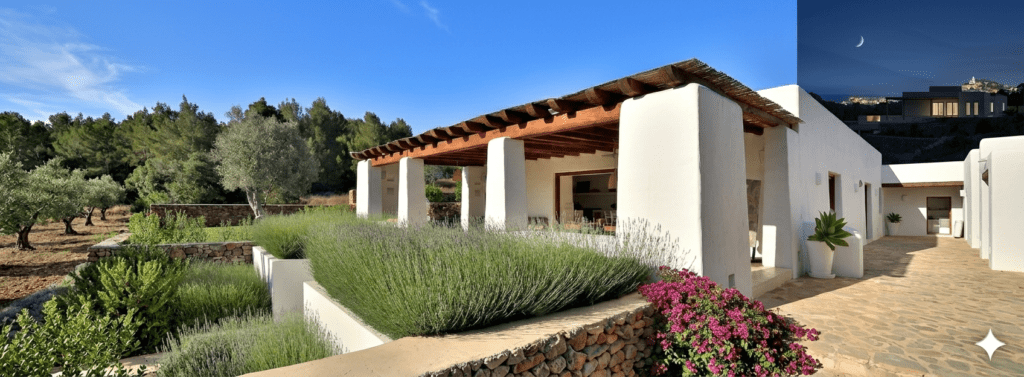
Traditional Country Houses in Ibiza
Traditional Country Houses in Ibiza: Essential Legal Checks to Avoid Urban Planning Issues Buying a…

Distressed Properties and Foreclosures in Ibiza
Distressed Properties and Foreclosures in Ibiza: How to Access These Opportunities in 2026 The Ibiza…
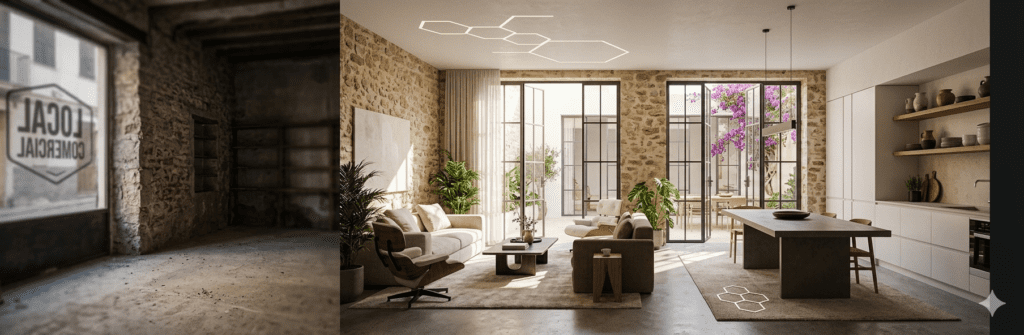
Investing in Commercial Premises for Residential Conversion in Ibiza
Investing in Commercial Premises for Residential Conversion in Ibiza: Regulations and Current Viability In a…

Regulations for Building on Urban Land in Ibiza
Complete Guide: Regulations for Building on Urban Land in Ibiza (2026 Edition) Building in Ibiza…
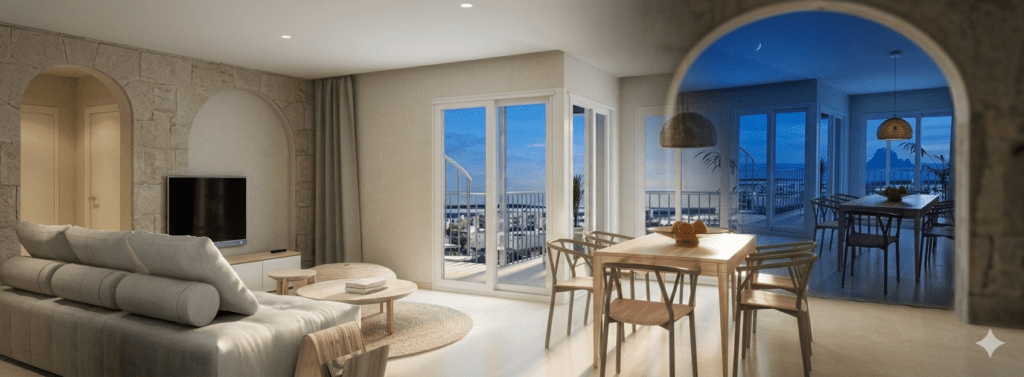
How much is my Ibiza property worth in 2026?
How much is my Ibiza property worth in 2026? A Guide to Technical Valuation and…

Can I Legalize a Pool or Porch on Rural Land with the New 2026 Decree?
Ibiza Rural Land with the New 2026 Decree If you own a property on rural…